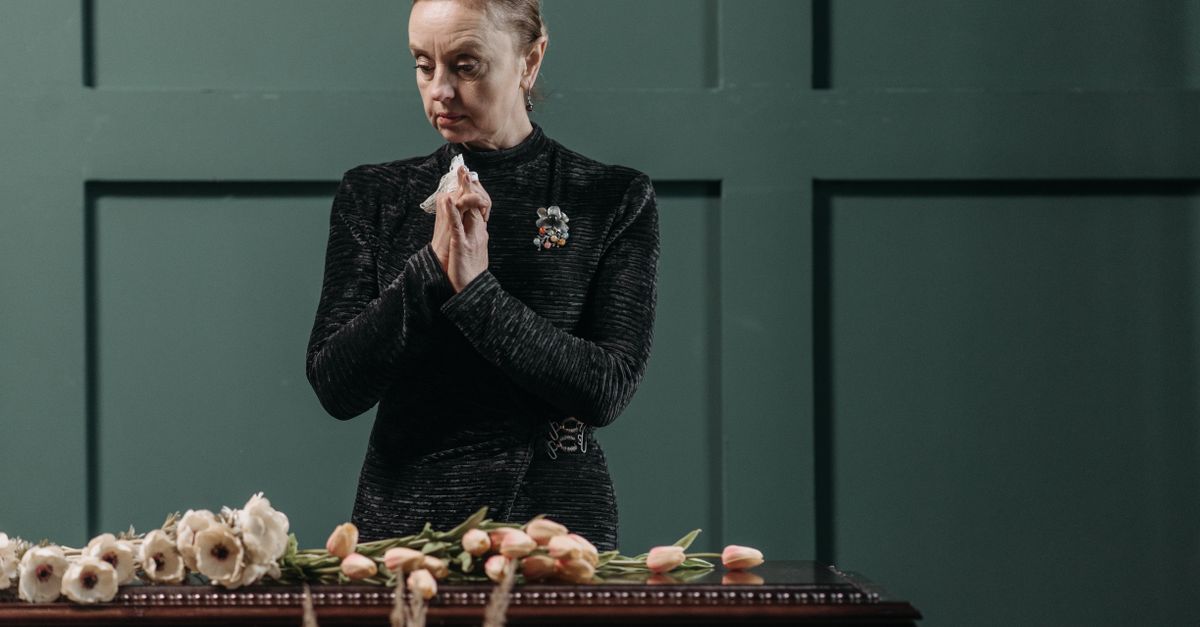
The Role of Grief Support Groups in Sydney’s Community
Table Of Contents
The Role of Trained Facilitators in Support Groups
Trained facilitators play a crucial role in guiding grief support groups, ensuring that sessions are constructive and beneficial for participants. They possess the skills to navigate complex emotions and foster an atmosphere where members can openly share their experiences without fear of judgement. By employing various communication techniques, they encourage dialogue, allowing individuals to express their feelings and concerns. This skill set is essential in helping participants feel understood and supported, which is vital for healing.
Facilitators also help establish group norms that promote respect and confidentiality. This creates a safe space where members feel empowered to connect with one another and share their journeys. The presence of a trained professional provides reassurance and stabilises discussions during emotionally charged moments. Their ability to steer conversations while being empathetic enhances the overall effectiveness of the support group, making it a valuable resource in the grieving process.
Ensuring a Safe and Supportive Environment
Creating a safe and supportive environment is essential for participants in grief support groups. Such an atmosphere fosters trust, allowing individuals to share their feelings without fear of judgement. Ground rules established at the beginning of each session, like confidentiality and respect, play a crucial role in promoting open dialogue. It’s important for participants to know that their experiences are valid and that they are not alone in their grief.
Facilitators are trained to recognise and manage the emotional dynamics within the group. Their skills help ensure that everyone feels comfortable expressing their thoughts and emotions. Regular check-ins provide opportunities for individuals to voice their concerns about the group setting, contributing to a collective safety that nurtures healing. This collective support creates a community where shared experiences can lead to greater understanding and acceptance of personal grief journeys.
Personal Stories of Transformation
Participants in Sydney's grief support groups often share profound personal journeys that highlight the transformative power of communal healing. One individual recounted their experience of isolating grief after losing a partner. Initially overwhelmed by sorrow, they found solace in a supportive environment where stories resonated deeply. Through sharing and listening, they gradually discovered a sense of belonging and emotional release that had previously eluded them.
Another participant described the unexpected friendships formed within the group. The sense of connection fostered among members created a safe space for vulnerability, allowing them to express emotions they had suppressed for so long. Over time, these shared experiences helped transform their grief from a solitary burden into a collective journey of hope and resilience.
Real Experiences in Sydney’s Support Groups
In various gatherings across Sydney, individuals share personal narratives that highlight their journeys through grief. Each story embodies unique challenges, yet the common thread of seeking connection and understanding weaves them together. Participants often recount their initial hesitance to join a group. Over time, many disclose how the supportive environment allowed them to open up and acknowledge their feelings without fear of judgement.
Stories from these sessions resonate deeply with newcomers, demonstrating the power of shared experience. Members often find solace in knowing they are not alone, fostering a sense of community that encourages healing. The poignant exchanges of empathy and encouragement become a vital part of the recovery process, allowing individuals to process their grief while forming lasting bonds with others in similar situations.
Combining Professional Therapy with Support Groups
Many individuals navigating the complexities of grief find that professional therapy complements their experiences in support groups. A therapist brings expertise in emotional processing, helping participants understand and manage their grief within a structured framework. In group settings, members can share their insights, fostering a sense of community and understanding that enhances therapeutic outcomes.
The combination of these two approaches creates a multifaceted support system. While therapists can provide targeted strategies for coping and healing, support groups offer shared experiences that reduce feelings of isolation. This synergy encourages dialogue and learning among participants, allowing them to explore their feelings in a safe space while benefiting from professional guidance.
The Synergy of Different Healing Approaches
Integrating various healing methodologies can significantly enhance the experience of those dealing with grief. Support groups often serve as a complementary resource to traditional therapy, such as cognitive behavioural therapy or counselling. While individual therapy offers personal insights and coping mechanisms, support groups provide a communal space for shared experiences and collective healing. This dual approach allows participants to benefit from both professional guidance and the comfort of shared understanding.
Facilitators in support groups are usually trained to identify when a participant may benefit from more specialised professional therapy. They can encourage members to explore these avenues further, fostering a holistic approach to grief recovery. This collaboration can lead to more comprehensive healing, ensuring individuals feel supported not only by their peers but also by qualified professionals who can tailor therapy to their unique needs. The synergistic effect of these methods can lead to profound transformations in how individuals process their grief, ultimately strengthening the resilience of the community.
FAQS
What are grief support groups?
Grief support groups are gatherings of individuals who have experienced a loss, providing a safe space to share feelings, receive support, and connect with others who understand their experiences.
How do trained facilitators contribute to grief support groups?
Trained facilitators guide discussions, ensure a safe and supportive environment, and provide resources for participants, helping them navigate their grief journey effectively.
Can I share my personal story in a grief support group?
Yes, sharing personal stories is encouraged in grief support groups as it fosters connection and understanding among participants, allowing for collective healing.
Are grief support groups combined with professional therapy?
Many grief support groups integrate professional therapy techniques, offering a holistic approach to healing that combines peer support with expert guidance.
How can I find a grief support group in Sydney?
You can find grief support groups in Sydney through local community centres, hospitals, or online resources dedicated to mental health and well-being.
Related Links
Finding Compassion: Community Initiatives for Grief SupportHow Local Churches Provide Grief Support in Sydney
The Importance of Peer Support for Grieving Individuals
Exploring Sydney’s Outreach Programmes for Grief Assistance
Sydney-Based Resources for Parents Experiencing Grief
Navigating Grief: Understanding Support Resources Available in Sydney
Impact of Community Engagement on Grief Recovery
Local Resources for Supporting Grieving Families