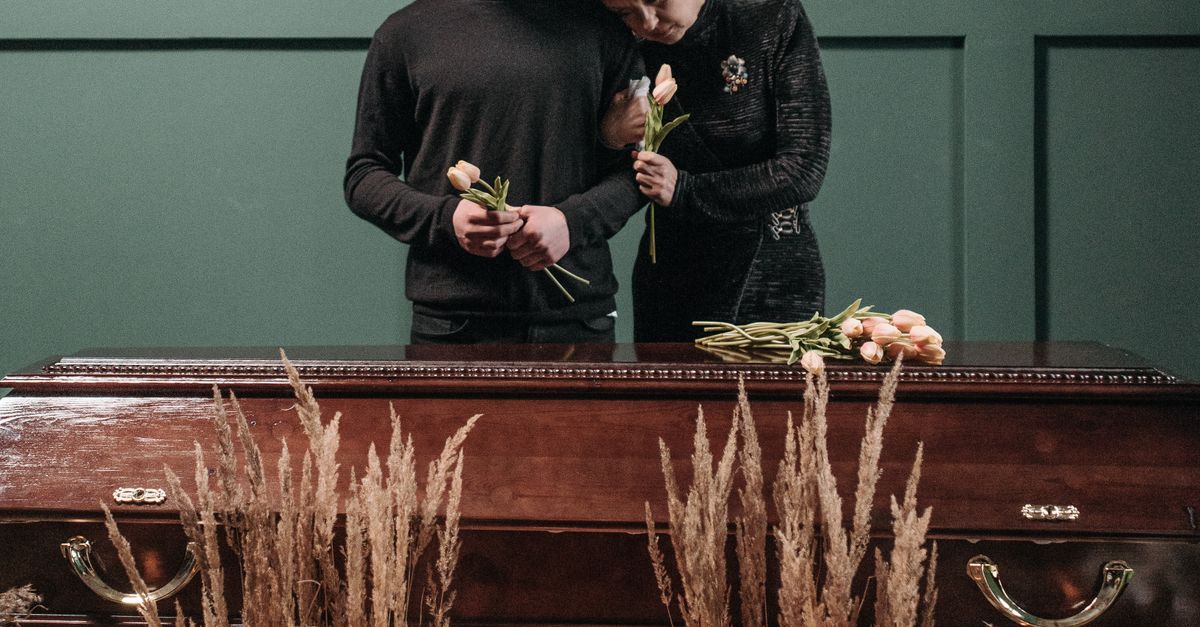
The Role of Funeral Directors in Arranging Burial Services
Table Of Contents
Cultural Considerations in Funerals
Funerals often reflect the customs and beliefs of a community. Different cultures have unique practices that guide how they honour their deceased. For example, some Indigenous Australian communities engage in elaborate mourning rituals that can last for several days, while others might prefer a more subdued and private observance. Understanding these variations is essential for funeral directors, as it allows them to tailor services that respect the specific traditions of the deceased and their family.
Respecting diverse traditions ensures that all cultural practices are accommodated during funeral arrangements. Funeral directors play a crucial role in facilitating this by collaborating with families to incorporate traditional elements, such as specific rites, music, or visual symbols relevant to the deceased’s cultural background. This not only honours the individual's life but also provides comfort to family members who may be navigating the grieving process while also adhering to significant cultural expectations.
Respecting Diverse Traditions and Practices
Funeral directors play a vital role in navigating the unique cultural customs surrounding death. Many communities have distinct rituals and beliefs that guide their funeral practices. Knowledge of these traditions fosters an atmosphere of respect and understanding that families deeply appreciate. Directors must be attentive to specific requests, whether they stem from religious doctrines or cultural expectations. This attention to detail ensures that the service honours the deceased in a manner true to the family's heritage.
Incorporating diverse practices can also mean collaborating with various religious leaders or cultural representatives. This collaboration enriches the funeral experience, allowing for a multidimensional approach to mourning. A well-informed director may offer insights into ceremonial elements such as specific readings, foods, or attire that hold particular significance within a culture. By embracing the richness of different traditions, funeral directors not only facilitate a meaningful farewell but also help educate others about the diverse tapestry of human experience.
Choosing the Right Funeral Home
Selecting a funeral home involves careful consideration to ensure that the services provided align with specific needs and expectations. It is essential to evaluate the location, as accessibility can affect the ease of coordinating arrangements. A visit to the facility can provide insights into its atmosphere and staff professionalism. Checking for accreditation and reading reviews from other families can also help gauge the home’s reputation.
Another crucial factor is the range of services offered. Different funeral homes provide various options, from traditional burials to cremations, with additional elements like memorial services or repatriation. It is advisable to discuss the specific preferences and budget with potential providers. Clear communication about costs and available packages helps avoid any misunderstandings later on. Ensuring that the funeral home understands and respects cultural or religious practices can further enhance the experience during a difficult time.
Factors to Consider When Selecting a Provider
Selecting a funeral home can be a challenging process, particularly during a time of grief. It is essential to consider the location of the provider. Proximity to the family can ease logistical burdens and allow for more straightforward coordination of services. Additionally, the range of services offered by the funeral home should align with the specific needs and wishes of the deceased and their family.
Another crucial aspect is the reputation of the funeral home. Researching reviews and testimonials can provide insights into the experiences of other families. It is also advisable to meet with the funeral director to discuss the planning process. This meeting can help gauge their level of empathy and professionalism, which are vital in ensuring a supportive environment during such a sensitive time.
The Importance of Pre-Planning
Pre-planning funeral services offers families peace of mind. By making arrangements ahead of time, individuals can ensure their wishes are clearly communicated and respected. This foresight alleviates stress for loved ones during a challenging time. It also provides an opportunity to discuss and incorporate personal preferences, making the service a true reflection of the individual's life.
Financial considerations are another important aspect of pre-planning. By locking in prices and selecting services in advance, families can avoid unexpected expenses later. This approach allows for a more manageable financial plan, ensuring that loved ones are not burdened with difficult decisions or costs during a period of sorrow. Many funeral homes offer flexible options tailored to meet individual needs, making it easier to navigate these sensitive arrangements.
Benefits of Pre-Arranging Funeral Services
Planning for a funeral in advance provides individuals with the opportunity to make specific wishes known. This proactive approach ensures that preferences for service style, location, and burial or cremation options are documented. Families often appreciate having a clear outline of their loved one's desires during a challenging time, reducing stress and emotional strain in making decisions.
Financial advantages also accompany pre-arranging funeral services. By locking in prices ahead of time, individuals can mitigate the impact of inflation, protecting their family from future financial burdens. Additionally, many funeral homes offer flexible payment plans, allowing for manageable financial commitments while still providing peace of mind regarding future arrangements.
FAQS
What is the primary role of a funeral director in arranging burial services?
The primary role of a funeral director is to help families navigate the complexities of funeral planning, including coordinating the logistics of the burial, handling legal documentation, and providing emotional support during a difficult time.
How do funeral directors respect cultural considerations in funerals?
Funeral directors are trained to understand and respect diverse cultural traditions and practices related to death and burial. They work closely with families to ensure that funeral services honour these traditions while adhering to legal and logistical requirements.
What factors should I consider when choosing a funeral home?
When selecting a funeral home, consider factors such as their reputation, the range of services offered, their pricing structure, the location, and the level of support and compassion they provide. It's also beneficial to ask for recommendations or read reviews from others who have used their services.
Why is pre-planning funeral services important?
Pre-planning funeral services is important because it allows individuals to make decisions about their end-of-life arrangements in advance, reducing the emotional burden on their loved ones. It also ensures that personal wishes are respected and can help alleviate financial stress.
What are the benefits of pre-arranging funeral services?
The benefits of pre-arranging funeral services include having greater control over the details of the funeral, potentially locking in current prices to avoid future cost increases, and easing the decision-making process for family members during a challenging time.
Related Links
Cultural Considerations for Burial Services in SydneyUnderstanding the Different Types of Burial Services Available in Sydney
How to Plan a Meaningful Burial Service in Sydney
Comparing Burial Services: Costs and Features
The Impact of Burial Services on the Grieving Process
Eco-Conscious Choices in Traditional Burial Practices
Personalising Your Burial Service: Options and Ideas
Legal Requirements for Burial Services in New South Wales